
Wagyu, compared
American vs Japanese Wagyu
Related genetics, two different production contexts. Japanese Wagyu comes from four recognized breeds and permitted crosses among them; American Wagyu may be fullblood, purebred, or crossbred under a different documentation system. Here is how to compare breed, grade, producer claims, and price without assuming one national hierarchy.
At a glance
Four recognized breeds or crosses among them; mostly Japanese Black
Crossbred through fullblood; many programs use Angus
JMGA scale, A5 at the top, plus BMS
Breed status + USDA grade; no A5
Quality grade 5 requires BMS 8 to 12; cut still matters
Varies widely by program, animal, grade, and cut
Varies by breed, brand, cut, grade, and preparation
Varies by ancestry, producer, cut, and preparation
Compare cut, grade, BMS, brand, shipping, and date
Compare cut, breed status, grade, producer, shipping, and date
Imported through an eligible supply chain
Domestic supply varies by producer and cut
Breed and crossbreeding
Japanese Wagyu is defined through four recognized breeds, and crosses among those four are also permitted; most production is Japanese Black. American Wagyu commonly crosses Wagyu with Angus. The first cross is commonly described as F1; purebred and fullblood are separate program terms. These ancestry terms do not predict a specific grade, marbling level, flavor, or price on their own.
Grading, the real dividing line
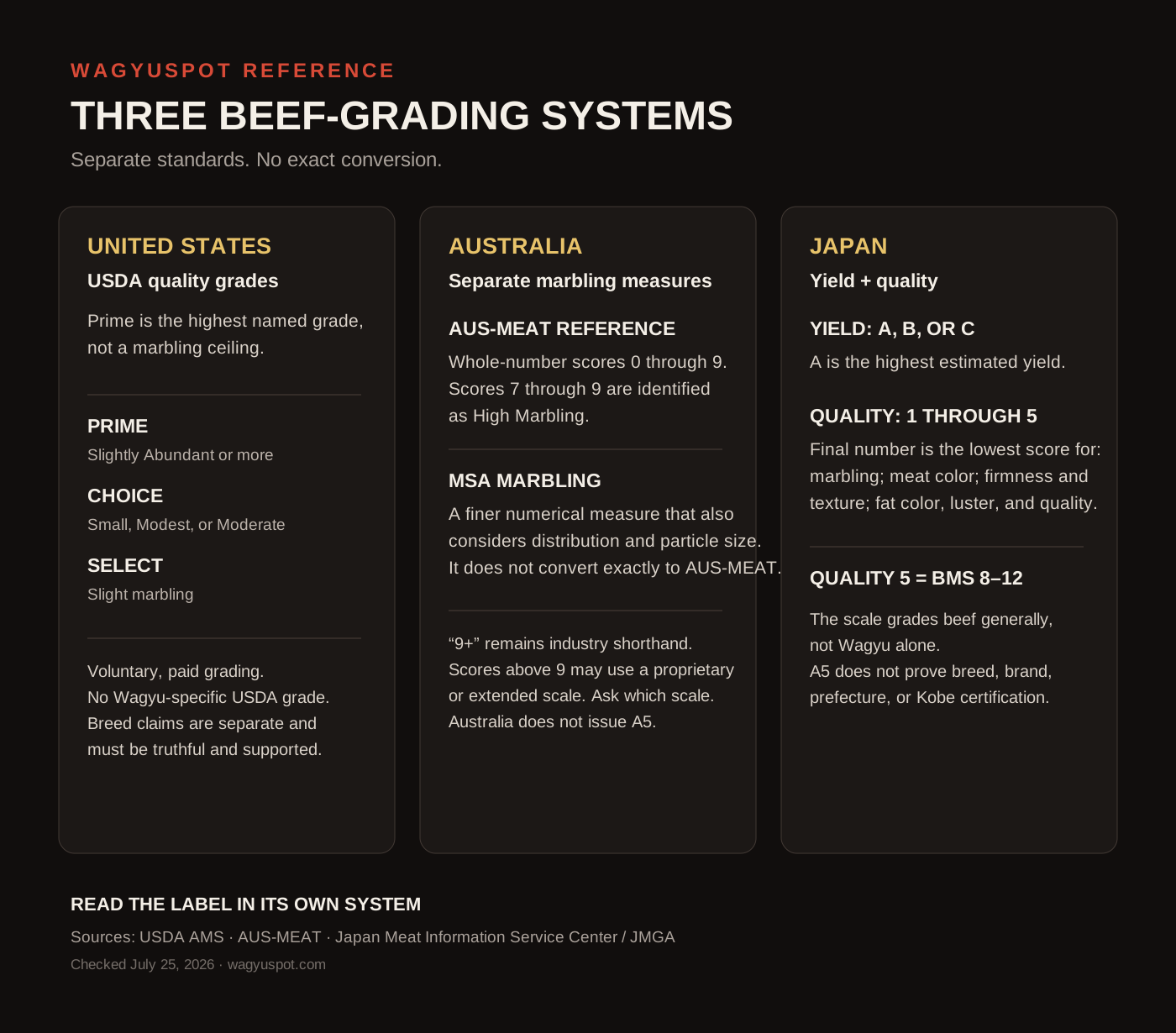
Japan grades on the A5 scale, letter for yield and number for quality, with a BMS marbling figure inside it. The US has no equivalent Wagyu grade, so American Wagyu is described by breed status and the ranch, often alongside a USDA grade like Prime. A5 on American beef can only be an informal comparison, not an official grade issued to that carcass.
And Australian Wagyu?
Australia is another major producer, with Wagyu ranging from crossbred to fullblood and from moderate to very high marbling. Look for a named producer, breed content, and the specific marbling scale and score. It cannot be placed at one fixed point between American and Japanese beef because programs within each country vary.
So which should you buy?
Match the beef to the occasion and compare like with like. Country does not guarantee value, portion size, flavor, or marbling. Buy on origin-appropriate evidence: grade plus provenance for Japanese Wagyu, and producer plus breed or marbling documentation for American and Australian products.
American Wagyu ranches · Wagyu retailer directory · Price by origin
Common questions
- What is the difference between American and Japanese Wagyu?
- Japanese Wagyu comes from four recognized Japanese breeds, or permitted crosses among them, and is graded under Japan's beef system. American Wagyu may be fullblood, purebred, or crossbred and is described by breed status, producer, and any USDA grade rather than an A5 grade.
- Is American Wagyu real Wagyu?
- It can carry documented Wagyu ancestry and may be fullblood, purebred, or crossbred, commonly with Angus. It is a different production and grading context from Japanese A5. Check the producer, breed status, and any program standard rather than treating the country label as a quality or value guarantee.
- Which tastes better, American or Japanese Wagyu?
- There is no objective winner. Japanese A5 identifies a top carcass-grade combination but still spans cuts and BMS 8 through 12; American Wagyu spans a much wider ancestry and marbling range. Compare the specific cut, grade, producer, preparation, and portion.
- Where does Australian Wagyu fit?
- Australian Wagyu spans crossbred to fullblood and a broad marbling range; it is not defined by one minimum marble score. Look for the producer, breed content, and the named Australian marbling scale and score.
- Which should I buy?
- Choose by the experience and evidence you value. Compare the same cut, weight, documented grade or breed status, producer, serving format, shipping basis, and date. Country and Kobe branding do not create a universal price or quality ladder.